
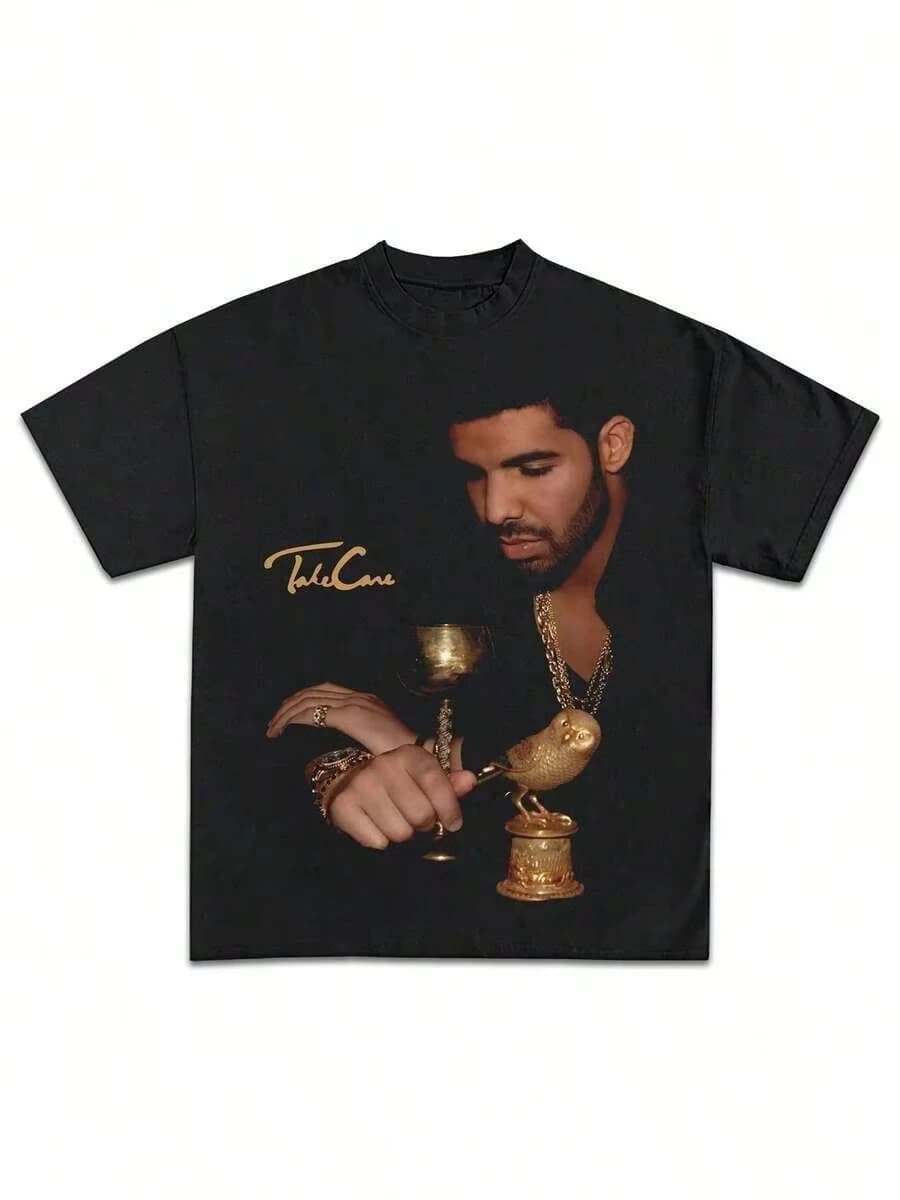
The Ultimate Guide to Graphics on T-Shirts
Découvrez les meilleures techniques pour personnaliser vos t-shirts avec des graphismes uniques et attrayants. Que vous cherchiez à créer des designs originaux ou à imprimer des images existantes, ce guide est fait pour vous.
Types of Graphics for T-Shirts
When it comes to decorating t-shirts with graphics, there are numerous options available. These include traditional printing methods, digital designs, and hand-drawn illustrations. Each method has its unique advantages and can cater to different design requirements.
Prints
- Silkscreen Printing: This technique uses a mesh screen to transfer ink onto fabric. It is ideal for simple designs due to its limitation to one color per screen. For instance, creating a single-color graphic such as a logo or pattern would cost approximately $1.50 per shirt for materials alone.
- Digital Printing: Digital printing allows for full-color designs and greater detail. It's perfect for complex images or photographs. The cost for digital printing can range from $2.00 to $4.00 per shirt depending on the complexity of the design.
Illustrations
Hand-drawn illustrations add a personal touch to t-shirts. They can range from simple line drawings to detailed sketches. Illustrations often require digitization before they can be printed on shirts, which can add an additional step to the process but offers a unique artistic value.
Digital Designs
Digital designs can incorporate a wide array of elements including text, shapes, and images. Using software like Adobe Illustrator or Photoshop, designers can create intricate designs that include gradients, shadows, and other effects. These designs can be easily edited and modified, making them versatile for various projects.
Choosing the Right Graphic Design
When selecting a graphic design for your T-shirt, consider the overall aesthetic you wish to achieve. The graphic should complement both the style of the T-shirt and your personal taste. For instance, an intricate design with multiple colors might work well on an oversized T-shirt, allowing ample space for the artwork to be fully appreciated.
Consider the color palette of your T-shirt when choosing a graphic. A graphic design with a neutral color scheme can blend seamlessly into various backgrounds, whereas a bold and vibrant design will stand out more prominently. Ensure the graphic contrasts enough with the T-shirt's background to maintain visibility and impact.
- Neutral Colors: Opt for a design that uses mostly black, white, or shades of grey if your T-shirt is brightly colored. This keeps the focus on the graphic without clashing with the shirt's hue.
- Vibrant Colors: Choose a graphic that features bright, contrasting colors if your T-shirt is neutral in tone. This ensures the graphic pops and grabs attention.
Take into account the message or theme you want your T-shirt to convey. A minimalist graphic might be more suitable for a professional setting, while a detailed and humorous graphic could be perfect for a casual event. For example, a simple graphic featuring a witty slogan could be ideal for a college student looking for a fun yet understated statement piece.
Remember, the right graphic design not only enhances the appearance of your T-shirt but also reflects your personality and style preferences.
Printing Techniques for T-Shirt Graphics
Screen printing is a traditional method used for creating graphics on t-shirts. It involves pushing ink through a mesh stencil onto the fabric. This technique allows for vibrant colors and high-quality prints but requires separate screens for each color, making it more suitable for large production runs. For instance, a simple design with three colors might require at least three screens.
Heat transfer printing uses vinyl or paper sheets with printed graphics that are then applied to the t-shirt using heat and pressure. This method is ideal for small batches and detailed designs because it does not require the setup time and expense associated with screen printing. Heat transfers can also include metallic effects and other special finishes.
Direct-to-garment (DTG) printing allows for digital designs to be printed directly onto the fabric without the need for screens. This makes it particularly useful for complex designs with many colors or gradients. DTG printers use specialized inks that adhere well to cotton fabrics. However, the print quality may not match the vibrancy of screen-printed graphics, especially when printing light colors on dark garments.
Color Management in T-Shirt Graphics
Mastering color management is crucial when it comes to ensuring that your t-shirt graphics maintain their vibrancy and accuracy. Proper color management can prevent issues such as washed-out or overly saturated colors, which can significantly impact the visual appeal of your designs.
To achieve optimal color results, it's essential to understand how different printing methods affect color reproduction. For instance, digital printing allows for a broader color gamut compared to screen printing. This means you can achieve more vibrant and precise colors with digital printing, making it an excellent choice for intricate and colorful designs.
When working with color profiles, using ICC profiles specific to your printer can help ensure consistent color reproduction across different print runs. An example would be using an ICC profile designed for cotton fabrics to maintain color consistency during production.
Calibrating your equipment is another critical step in color management. Regular calibration of your monitors and printers ensures that what you see on your screen accurately reflects the final printed product. For instance, calibrating your monitor every three months can help maintain color accuracy over time.
Understanding color modes like RGB and CMYK is also vital. RGB mode is ideal for designing graphics intended for digital display, while CMYK mode is better suited for print materials like t-shirts. Converting your design files from RGB to CMYK before printing helps avoid color shifts between digital screens and printed t-shirts.
Lastly, keeping a detailed record of all settings used during the printing process can aid in reproducing the same color quality in future projects. Documenting factors such as ink types, printer models, and paper qualities can streamline the process and ensure consistent results.
Designing Graphics for Different T-Shirt Styles
When creating graphics for T-shirts, it's crucial to consider the type of shirt you're working with. Slim-fit T-shirts demand graphics that are sleek and minimalistic to avoid overwhelming the design. For example, a simple one-color graphic with a bold message can work wonders. In contrast, oversized T-shirts offer more space for larger, more intricate designs without looking cluttered.
Considerations for Slim-Fit T-Shirts
- Simplicity: Opt for clean lines and limited colors to ensure the graphic doesn't overwhelm the slim fit.
- Scale: Keep the graphic size small; a graphic no larger than 10 cm across can look great on a slim fit T-shirt.
- Placement: Place the graphic on the chest or back, avoiding the sleeve area which is narrower.
Considerations for Oversized T-Shirts
- Complexity: Larger graphics can be used effectively as there is more space. Consider using gradients or multiple colors.
- Scale: Use a graphic that spans at least 20 cm across to make an impact on an oversized T-shirt.
- Placement: Experiment with placing the graphic on the sleeves or even diagonally across the front.
- Create vector graphics that scale without losing quality
- Utilize live trace for converting raster images into scalable vector graphics
- Choose CMYK color mode for printing accuracy
- Work with raster graphics, ideal for photo-realistic designs
- Apply filters and effects for artistic touches
- Ensure your file is in CMYK mode before exporting for print
- Use cold water: Washing your t-shirts in cold water helps prevent colors from bleeding and graphics from fading.
- Avoid fabric softeners: These products can break down the ink used in screen printing, leading to a loss of graphic quality over time.
- Turn inside out: This protects the graphic side from abrasion during the wash cycle, extending the life of your design.
- Choose gentle cycles: Aggressive washing machines can cause damage to delicate prints. Opt for gentle or hand-wash settings.
- Store flat: Folded t-shirts can develop permanent creases that mar the graphic design. Storing them flat minimizes this risk.
- Avoid direct sunlight: Prolonged exposure to sunlight can cause fading, especially for light-colored inks. Store t-shirts in a cool, dark place.
- Use breathable containers: Plastic bags can trap moisture and lead to mildew growth. Instead, use breathable containers like cotton garment bags.
Fitted T-shirts fall somewhere between these two extremes. They allow for slightly more complex graphics compared to slim-fit but less than what works for oversized shirts. The key is balance: choose a graphic that complements the snug fit without overpowering it.
Creating Custom Graphics for T-Shirts
To create custom graphics for t-shirts, you can use professional graphic design software such as Adobe Illustrator or Photoshop. These tools offer a wide range of features that enable you to design unique and high-quality graphics tailored specifically for t-shirts.
Using Adobe Illustrator
Using Adobe Photoshop
For example, if you're designing a t-shirt logo in Adobe Illustrator, start by selecting a CMYK color profile to ensure your colors are accurate when printed. Use the pen tool to create smooth lines and curves, and take advantage of Illustrator's extensive library of fonts and symbols to enhance your design. After completing your design, export it as an EPS file to maintain its scalability and quality.
In Photoshop, begin by opening a new document sized according to your t-shirt dimensions, typically around 150 DPI for high-resolution prints. Incorporate text and graphics from your personal collection or licensed stock images to craft a compelling design. Apply layer masks and adjustment layers to refine your artwork. Once satisfied, save your project as a PSD file and export it as a TIFF or JPEG in CMYK format for optimal print results.
Popular Graphic Themes for T-Shirts
When it comes to designing t-shirts, one of the most effective ways to capture attention is through the use of compelling graphic themes. Among these, pop culture references stand out as a favorite choice among consumers. From iconic movie quotes like "Here's looking at you, kid" from Casablanca to the instantly recognizable faces of Marvel superheroes, these graphics resonate with fans and collectors alike.
Nature scenes are another popular theme that can be found across many t-shirt collections. These designs often feature serene landscapes, vibrant flora, or majestic fauna, appealing to those who appreciate the beauty of the natural world. For instance, a design featuring a detailed illustration of a monarch butterfly can be both educational and aesthetically pleasing, making it a hit with nature enthusiasts.
Abstract patterns also find their place in the world of t-shirt graphics, offering endless possibilities for creativity and expression. These patterns can range from geometric shapes and lines to more organic forms inspired by natural elements. A striking example would be a t-shirt featuring a bold, geometric pattern that incorporates a mix of triangles and squares in contrasting colors, creating a visually engaging piece that stands out in any crowd.
The popularity of these graphic themes isn't just theoretical; they are backed by real-world sales data. For instance, a t-shirt featuring an iconic pop culture reference sold over 500 units within its first month of release, underscoring the commercial appeal of such designs.
Choosing the Right Fabric for T-Shirt Graphics
The choice of fabric can significantly impact the quality and longevity of printed graphics on a T-shirt. Cotton blends are commonly preferred due to their breathability and softness against the skin. For instance, a 50/50 blend of cotton and polyester offers a good balance, combining the natural comfort of cotton with the durability and wrinkle resistance of polyester.
Cotton/polyester blends not only enhance the feel of the garment but also improve the ink's adhesion, ensuring that graphics remain vibrant and clear over time. This blend is particularly popular because it provides a smoother surface for printing, which can result in a more professional appearance of the graphic design.
For those seeking maximum comfort and breathability, 100% cotton is an excellent choice. However, it may require more care to maintain its shape and prevent shrinkage. On the other hand, pure polyester or blends with higher polyester content offer greater durability and resistance to fading and stretching, making them ideal for graphics that will be exposed to frequent washing or harsh conditions.
When choosing a fabric for your T-shirt graphics, consider the intended use and wear of the garment. For example, a T-shirt designed for daily wear might benefit from a softer, more breathable material like 100% cotton or a 65/35 cotton/polyester blend. In contrast, a T-shirt meant for more rugged activities might perform better with a sturdier blend like 50/50 cotton/polyester.
Ultimately, selecting the right fabric ensures that your graphic design not only looks great but also lasts longer, maintaining its vibrancy and detail through repeated washes and extended wear.
Maintaining the Quality of T-Shirt Graphics
Proper maintenance is crucial for preserving the quality and longevity of your t-shirt graphics. Regular washing can lead to fading or distortion if not handled correctly. To avoid these issues, follow these guidelines:
Washing Instructions
Storage is equally important. Proper storage can prevent yellowing, creasing, and other forms of damage that degrade the appearance of your t-shirt graphics. Here are some tips:
By following these steps, you can expect your t-shirt graphics to remain vibrant and clear for up to 100 washes, ensuring that your favorite designs last longer.
Innovative Trends in T-Shirt Graphics
Staying current with the latest trends in t-shirt graphics is essential for creating unique and appealing designs. One of the most popular trends today involves incorporating augmented reality (AR) elements into t-shirt graphics. This technology allows customers to scan their t-shirt with a smartphone app and see a 3D animation or video overlay.
For instance, a company might create a t-shirt featuring a simple logo, but when scanned through an app, the logo transforms into a dynamic 3D model of the company mascot. This not only enhances the visual appeal of the t-shirt but also provides an interactive experience that can significantly increase customer engagement.
To implement such a feature, designers must work closely with developers who specialize in AR technologies. The process typically includes designing a basic graphic for the t-shirt and then collaborating with a team to develop the corresponding AR content. According to industry reports, t-shirts with integrated AR features have seen a 45% increase in sales compared to traditional t-shirts without this added functionality.
Another emerging trend is the use of conductive inks to add interactive elements directly onto the fabric of the t-shirt. These inks can be used to create touch-sensitive areas that respond to user input, turning the t-shirt into a wearable interface. For example, a sports brand could design a t-shirt with conductive ink patterns that light up when the wearer performs certain exercises, providing immediate feedback on their workout routine.
Conclusion
Choisir les bonnes images pour vos t-shirts est crucial pour attirer l'attention et exprimer votre personnalité. N'oubliez pas que la qualité de l'impression et la durabilité du tissu sont aussi des facteurs importants à considérer.
FAQ
What are the best printing techniques for t-shirt graphics?
The best printing techniques for t-shirt graphics include screen printing for durability and vibrancy, heat transfer for ease of application, and digital printing for intricate designs and quick turnaround.
How do I choose the right fabric for my t-shirt graphics?
Choose a fabric that resists fading and cracking, like cotton or a blend. Avoid synthetic materials as they can cause graphic distortion. Opt for a pre-shrunk option to prevent size changes after washing.
Can I create custom graphics for my t-shirts at home?
Yes, you can create custom graphics for your t-shirts at home using software like Adobe Illustrator or free alternatives such as Inkscape. Print your designs with a heat press or iron-on transfer paper for a professional finish.
What are some popular graphic themes for t-shirts?
Popular graphic themes for t-shirts include nature motifs, geometric patterns, pop culture references, and abstract designs. These themes cater to various tastes, making t-shirts both fashionable and expressive.
How do I maintain the quality of my t-shirt graphics?
To maintain the quality of your t-shirt graphics, use high-resolution images, apply heat-resistant ink, and ensure proper curing of the print. This preserves color vibrancy and durability.